Sources of Mauryan Empire and Edicts of Ashoka

The Mauryan Empire, one of ancient India’s most significant dynasties, has been extensively studied through various sources. These sources can be categorized into two main types: literary sources and archaeological sources. Each of these offers valuable insights into the political, economic, and social aspects of the empire, as well as the reign of Emperor Ashoka. […]
Mauryan Society UPSC Notes: Economy, Society, Religion, Art, and Decline
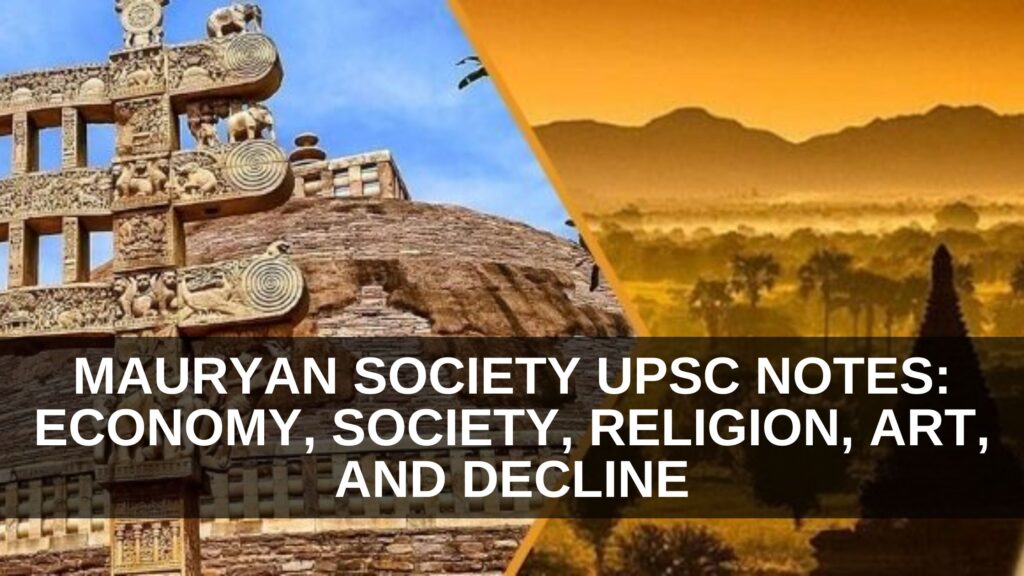
The Mauryan Empire (321-185 BCE) was one of the most powerful and expansive empires in ancient India. Under the leadership of Chandragupta Maurya, Bindusara, and Ashoka, it witnessed significant economic growth, social structuring, religious transformation, and artistic advancements. Let’s delve into the intricate aspects of Mauryan society, economy, religion, art, and the eventual decline of […]
The Mauryan Empire: Rise, Administration, and Legacy in Ancient India
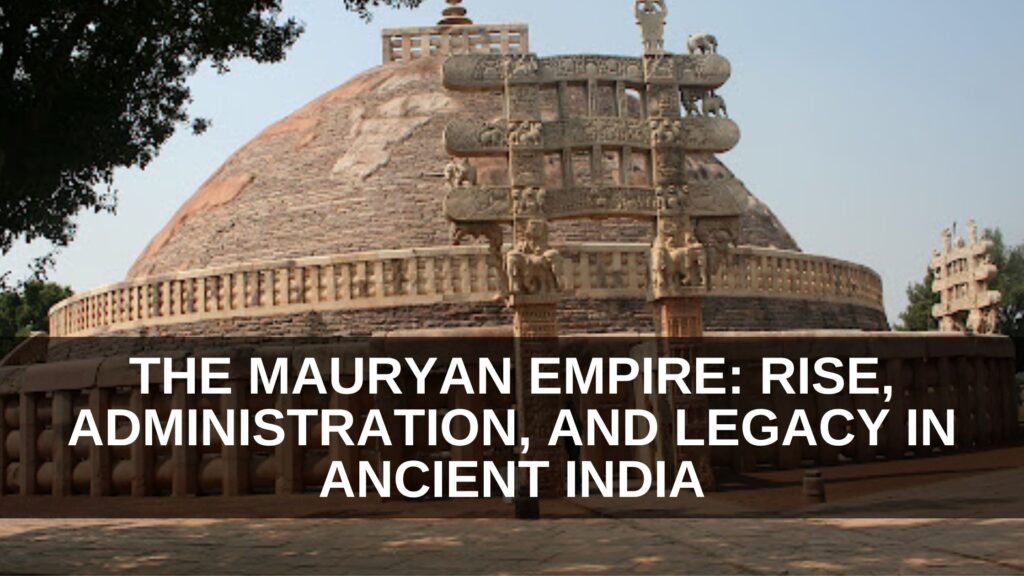
The Mauryan Empire was a significant period in Indian history, marking the first time a vast portion of the Indian subcontinent was unified under a single ruler. Emerging after the decline of the Nanda dynasty, the Mauryan Empire flourished under strong and visionary leaders, including Chandragupta Maurya, Bindusara, and Ashoka. This blog explores the empire’s […]
AKTU 2025 Syllabus & Previous Year Question Papers – Download PDF

Dr. A.P.J. Abdul Kalam Technical University (AKTU), formerly known as UPTU, is one of India’s leading technical universities, offering a wide range of undergraduate and postgraduate programs in engineering, management, pharmacy, and more. If you’re preparing for the upcoming academic session, understanding the AKTU 2025 syllabus and practicing with previous year question papers is crucial […]
Religious Traditions in Jainism, Shramana, and Buddhism
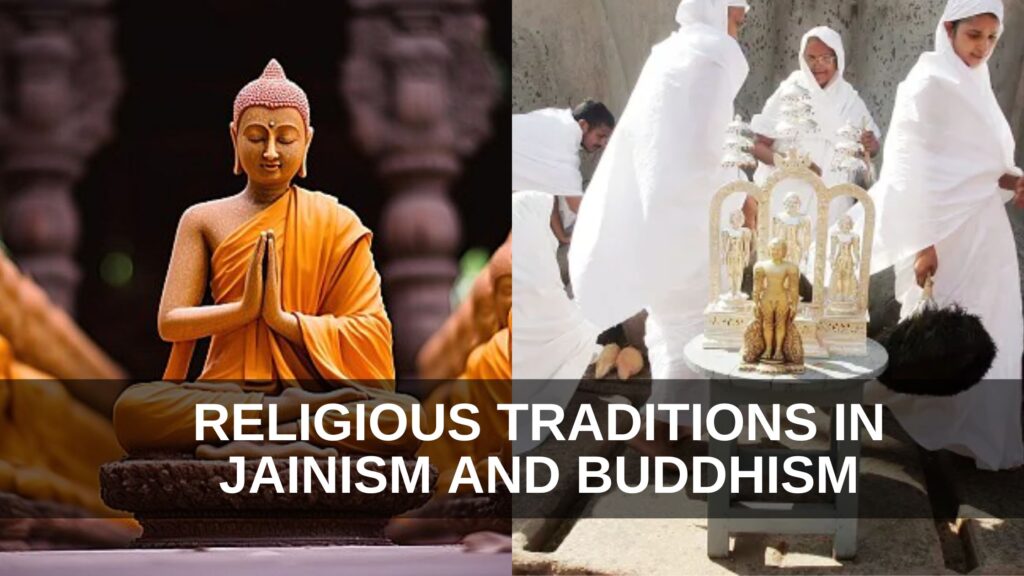
The post-Vedic period in India witnessed a major transformation in religious practices, leading to the emergence of new religious movements such as Jainism and Buddhism. These movements significantly influenced Indian society, polity, and administration for centuries. At the heart of this transformation was the Shramana tradition, a counter-movement against the increasingly ritualistic and complex Vedic […]
The Persian and Greek Invasion of India: Impact on Trade, Culture, and Politics

In the 6th century BCE, India’s northwestern region was a fragmented landscape of competing principalities, including the Kambojas, Gandharas, and Madras. Due to the absence of a powerful overarching kingdom and the region’s wealth and accessibility through the Hindukush passes, foreign invasions were inevitable. The Persian and Greek invasions significantly impacted India’s political, economic, and […]
Evolution of Janapadas and Mahajanapadas: The Foundation of Ancient Indian States
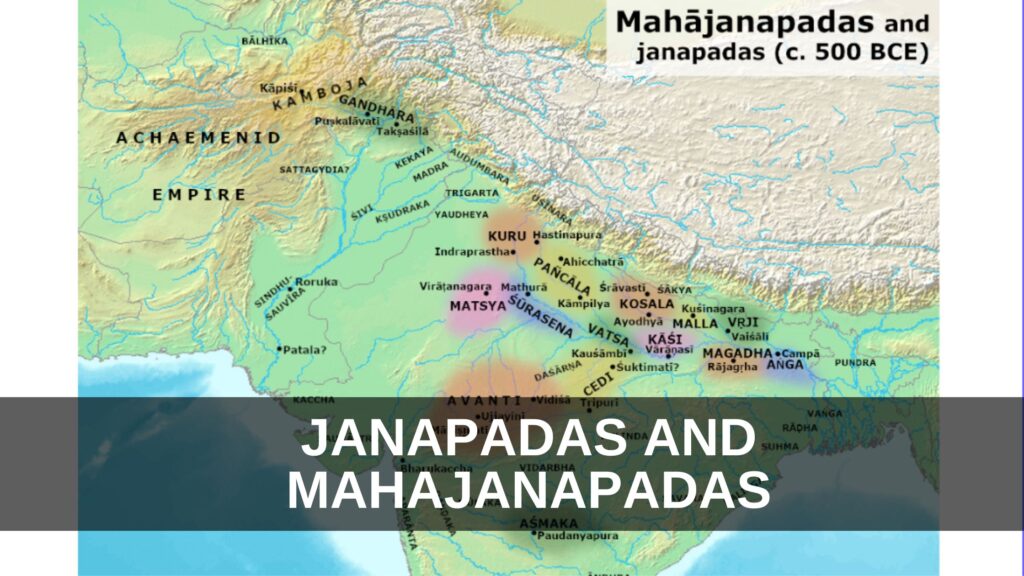
The term ‘Janapada’ originates from the Sanskrit words ‘Jana’ (tribe) and ‘Pada’ (foot), signifying the land where a tribe settles. In early Vedic society, clans were predominantly pastoral, moving in search of better grazing lands. Over time, as people adopted agriculture, these settlements evolved into permanent territories known as Janapadas. By the later Vedic period […]
Later Vedic Period (1000-600 BCE): Society, Culture, and Expansion
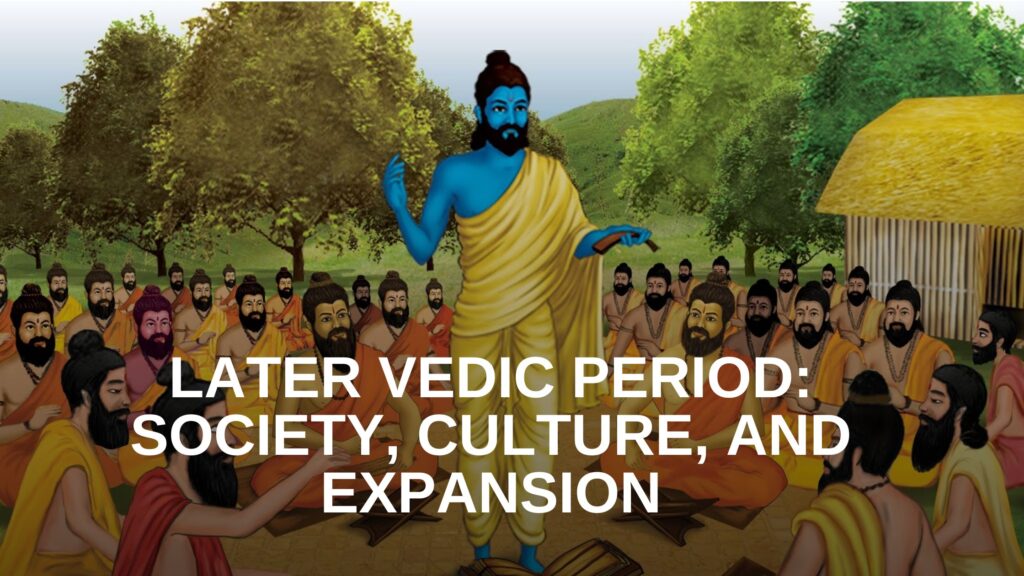
The Later Vedic Period, spanning from 1000 BC to 600 BC, marks a significant phase in Indian history. This era saw the expansion of Vedic culture into the fertile Ganga-Yamuna Doab, the rise of agriculture, and the solidification of socio-political structures. With advancements in iron technology and changes in religious practices, this period laid the […]
Vedic Period Notes: A Comprehensive Guide to Ancient Indian History
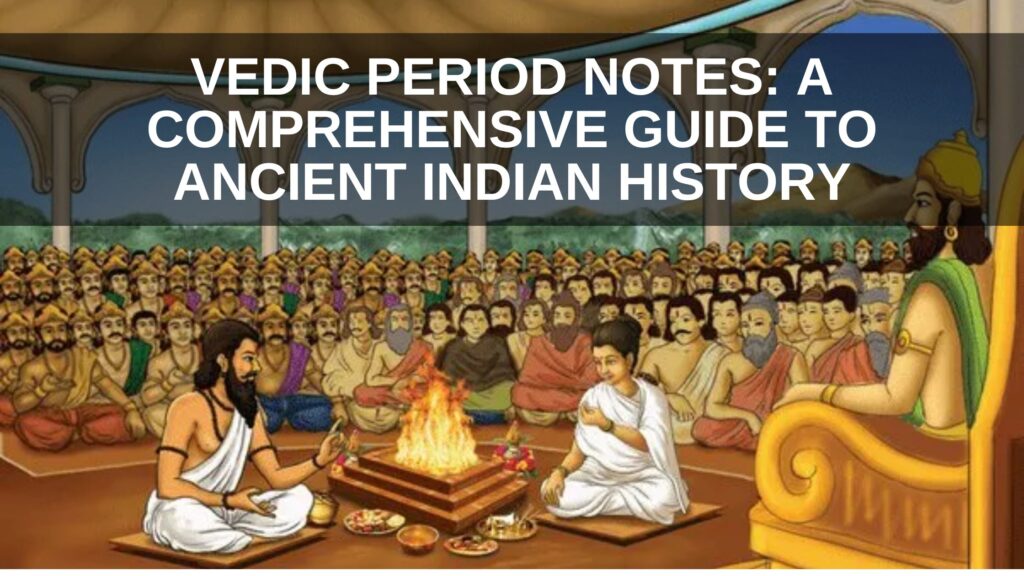
The Vedic Period (1500 BCE – 500 BCE) marks a transformative era in Indian history. This period witnessed the arrival of the Aryans, the composition of the Vedas, and the establishment of early social, religious, and political institutions. The roots of modern Indian culture can be traced back to this significant epoch. The Aryan Migration […]
The Decline of Harappan Civilization: Causes, Theories, and New Discoveries

The Indus Valley Civilization, also known as the Harappan Civilization, flourished around 2500 BCE and showcased remarkable advancements in urban planning, trade, and craftsmanship. However, by 1900 BCE, cities such as Harappa, Mohenjodaro, and Kalibangan began to experience a gradual decline, marking the beginning of what is known as the Late Harappan Period. This era […]